
RTX 5090 5090D Bricked Issues
The launch of NVIDIA’s latest graphics card lineup has brought both excitement and unexpected challenges to the gaming and professional communities. While the RTX 5090 and GeForce RTX 5090D represent significant technological advances, users have encountered concerning issues that have led to serious hardware complications.
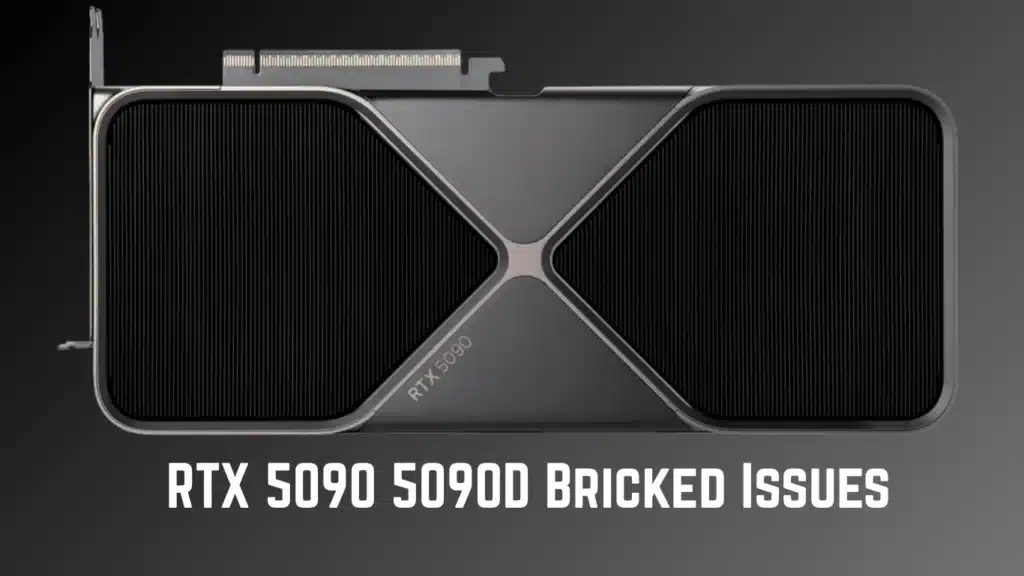
Overview of GeForce RTX 5090 and 5090D GPUs
The GeForce RTX 5090 stands as NVIDIA’s flagship graphics card, delivering unprecedented performance for gaming and creative applications. Alongside it, the RTX 5090D serves as a specialized variant designed for specific markets, particularly the Chinese markets where regulatory requirements necessitate modified specifications.
Both the NVIDIA GeForce RTX 5090 and the 5090D GPUs feature cutting-edge Blackwell architecture, offering enhanced AI capabilities and improved memory bandwidth. These graphics cards represent the pinnacle of consumer GPU technology, incorporating advanced features that push the boundaries of what’s possible in visual computing.
Significance in Consumer and Professional Markets
The RTX 5090 has garnered significant attention from both consumers and professionals seeking top-tier performance. The China-exclusive RTX 5090D addresses specific regulatory requirements while maintaining substantial performance capabilities. The NVIDIA GeForce RTX 5090D variant ensures compliance with local regulations while delivering professional performance for demanding applications.
However, the emergence of bricking issues has created concerns among users who have invested in these premium graphics cards. The Bricked NVIDIA GeForce RTX 5090 incidents have highlighted the importance of proper installation procedures and system compatibility checks.
Root Causes of RTX 5090 5090D Bricked Issues
Understanding the underlying causes of these hardware failures is crucial for both current users and those considering a GPU Upgrade to these latest models.
1. PCIe Gen5 Compatibility Problems
One of the primary cause of RTX 5090 5090D Bricked Issues stems from PCIe Gen 5 compatibility problems. The advanced PCIe Gen5 interface, while offering superior bandwidth, has created unexpected challenges with certain motherboard designs. The signal integrity requirements for PCIe Gen 5 are more stringent than previous generations, and not all systems meet these demanding specifications.
Users have reported that their systems experience complete failure when attempting to initialize these graphics cards, often resulting in a black screen during startup. The PCI-e version compatibility issues have been particularly problematic for users with older motherboards that claim PCIe Gen5 support but lack proper implementation.
2. Driver-Related Conflicts
Driver installation complications have emerged as another significant factor contributing to bricking incidents. The complexity of modern NVIDIA drivers, particularly those supporting the new Blackwell architecture drivers, has created scenarios where incomplete or corrupted installations can render systems unusable.
Driver incompatibility issues have been particularly evident in Windows 11 environments, where the interaction between the operating system and new GPU architectures can create unexpected conflicts. Some users have experienced Driver Issues that require extensive troubleshooting, including driver rollback procedures and complete system rebuilds.
The driver pack installations for these new graphics cards require careful attention to BIOS settings and system configuration. Users who encounter problems often need to perform a cmos reset to restore system stability, highlighting the delicate nature of these hardware integrations.
3. BIOS and Firmware Complications
BIOS incompatibility has emerged as a critical factor in many bricking incidents. The advanced features of the RTX 5090 and RTX 5090D require specific BIOS support that may not be present in all motherboards. Users with systems like the Motherboard Asus X570 Tough Gaming have reported particular challenges when attempting to integrate these new graphics cards.
The interaction between the Processor AMD 5800X3D and these new graphics cards has created additional complications in some configurations. Users with Memory 32 GB DDR4 setups have found that their systems may require specific BIOS adjustments to accommodate the power and bandwidth requirements of these advanced GPUs.
Impact on Users
The RTX 5090 5090D Bricked Issues have created significant challenges for users across different segments of the market.
Consumer User Challenges
Home users who invested in these premium graphics cards have faced frustrating experiences when their systems fail to boot properly. The RTX 5090D Surge in popularity has been tempered by reports of hardware failures that leave users with expensive paperweights instead of functional graphics cards.
Many users have had to resort to warranty replacement procedures, creating additional delays and frustration. The user error factor has also played a role, as the complexity of these installations requires precise attention to detail that some users may overlook.
Professional and Industry-Specific Effects
Professional users who rely on these graphics cards for critical work have faced more severe impacts. The professional performance expectations for these cards mean that any downtime can result in significant productivity losses and financial implications.
The multi-GPU restrictions and power requirements have created additional challenges for professional installations. Users working with configurations that include multiple power connectors must ensure that their Power Supply Unit can handle the demanding requirements of these graphics cards.
Case Studies from Hardware Busters and ThinkComputers.org
Independent testing organizations have documented numerous cases of RTX 5090 5090D Bricked Issues, providing valuable insights into the scope and nature of these problems. These case studies have highlighted the importance of proper installation procedures and system compatibility verification.
The documented cases have shown that even experienced users can encounter unexpected challenges when installing these graphics cards, emphasizing the need for comprehensive pre-installation preparation.
Immediate Solutions and Workarounds
Users experiencing RTX 5090 5090D Bricked Issues have several potential solutions and workarounds available to restore system functionality.
Adjusting PCIe Configurations
One of the most effective immediate solutions involves adjusting PCIe configurations in the system BIOS. Users should verify that their motherboard properly supports PCIe Gen5 and that all related settings are correctly configured.
For users with systems like the Motherboard MSI configurations, specific BIOS adjustments may be necessary to ensure proper compatibility. The vga led indicators on many motherboards can provide valuable diagnostic information during troubleshooting procedures.
Implementing Driver Updates
Proper driver installation is crucial for avoiding bricking issues. Users should ensure they download the latest driver pack from NVIDIA’s official channels and follow installation procedures carefully. The Kernel Driver components must be properly installed to ensure system stability.
Users experiencing problems should consider performing a clean installation of Windows 11 if driver conflicts persist. The reboot process should be completed carefully, allowing sufficient time for the system to recognize and initialize the new graphics card.
BIOS Adjustment Recommendations
Specific BIOS adjustments can help prevent RTX 5090 5090D Bricked Issues. Users should ensure that their Power Supply settings are configured correctly to handle the demanding power requirements of these graphics cards. The power cable connections must be secure and properly seated.
For users with configurations including Storage Crucial P5 Plus 2TB or similar high-performance storage, ensuring that PCIe lanes are properly allocated can prevent resource conflicts that might contribute to bricking issues.
NVIDIA’s Response and Support
NVIDIA has acknowledged the RTX 5090 5090D Bricked Issues and has implemented several measures to address user concerns.
Firmware Update Initiatives
NVIDIA has released firmware updates designed to improve compatibility and reduce the likelihood of bricking incidents. These updates address some of the Power Limits and initialization issues that have been reported by users.
The GPU-Z Test Build versions have been updated to provide better diagnostic information for users experiencing problems. These tools can help identify potential issues before they result in complete system failure.
User Support Channels and Resources
NVIDIA has expanded its customer support resources to help users dealing with bricking issues. The company has established dedicated support channels for users experiencing these specific problems.
Users can access support through various channels, including online resources and direct contact with technical support teams. The email address verification process ensures that users receive proper assistance for their specific hardware configurations.
Feedback and Ongoing Communication
NVIDIA has maintained open communication with the user community regarding these RTX 5090 5090D Bricked Issues. The company has acknowledged that some bricking incidents result from the complex interaction between advanced hardware and existing system configurations.
Microsoft Partners have also been involved in addressing software-related aspects of these compatibility issues, ensuring that operating system updates don’t inadvertently contribute to bricking problems.
Preventative Measures
Users can take several proactive steps to minimize the risk of RTX 5090 5090D Bricked Issues when installing these graphics cards.
Pre-purchase Checklists for GPUs
Before purchasing an RTX 5090 or RTX 5090D, users should verify that their systems meet all compatibility requirements. This includes checking motherboard PCIe support, power supply capacity, and cooling requirements.
Users should also verify that their systems include adequate power connectors and that their Power Supply Seasonic 620W M12 or equivalent can handle the demanding power requirements of these graphics cards.
Preparatory BIOS and System Configuration
Proper system preparation is crucial for successful installation. Users should update their BIOS to the latest version before attempting to install these graphics cards. The System Name H7 Flow 2024 and similar configurations should be verified for compatibility.
Users with Display(s) AOC 24″ Freesync setups should ensure that their display connections are properly configured. The HDMI interfaces and other connection types should be tested to ensure proper functionality.
Future Implications
The RTX 5090 5090D Bricked Issues have broader implications for the graphics card market and user expectations.
Long-term Reliability Concerns
The frequency of bricking incidents has raised questions about the long-term reliability of these advanced graphics cards. Users are concerned about the potential for hardware failures outside of warranty periods.
The melting adapters issue that affected previous generations has also created additional concerns about the physical reliability of power connections. Users with configurations that include Custom liquid cooling may need to pay particular attention to thermal management.
Influence on Purchasing Decisions
The RTX 5090 5090D Bricked Issues have influenced purchasing decisions for many users considering these graphics cards. Some users have delayed their purchases until these issues are more fully resolved.
The availability of the NVIDIA GeForce RTX 5080 SUPER as an alternative has provided users with options that may offer better compatibility with existing systems. Users comparing options like the rtx 4080 super have found that older generation cards may offer more predictable installation experiences.
The ongoing issues have also highlighted the importance of proper research and preparation before making significant hardware investments. Users must weigh the performance benefits against the potential risks and complications associated with these cutting-edge graphics cards.